1. Understanding the Function of Industrial Valves
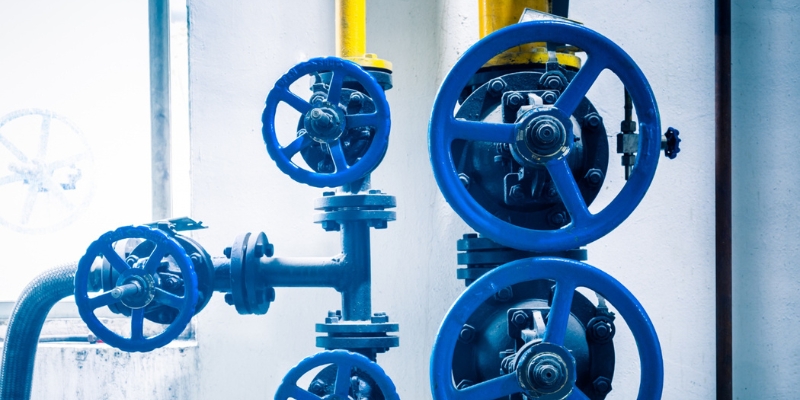
Industrial valves regulate the flow of liquids, gases, slurries, and chemicals in pipelines. Different operations require different valve mechanisms such as shutting off flow, controlling pressure, preventing backflow, or diverting media. Selecting the wrong valve type can lead to leakage, system inefficiency, or complete operational failure.
2. Key Valve Types and Their Applications
Here are the commonly exported industrial valves:
- Gate Valves: Best for on/off applications and minimal pressure drop.
- Globe Valves: Suitable for throttling or regulating flow.
- Ball Valves: Ideal for high-pressure applications and quick shutoff.
- Check Valves: Prevent reverse flow and protect equipment.
- Butterfly Valves: Lightweight, cost-effective, excellent for large pipelines.
- Plug Valves: Used in chemical and slurry industries for clean shutoff.
3. Material Selection for Industrial Valves
The choice of material directly affects corrosion resistance, pressure durability, and operating temperature. Common materials used in export-grade valves include:
- Carbon Steel
- Stainless Steel (304, 316)
- Alloy Steel
- Ductile Iron
- Bronze & Brass (for specific applications)
Material must match the media type—whether it is water, oil, gas, steam, chemicals, or corrosive fluids.
4. Pressure & Temperature Ratings
Valves must meet required pressure classes such as Class 150, 300, 600, 900, or PN10 to PN40. Exporters must provide proper documentation and certification confirming these ratings to comply with international project specifications.
5. Compliance with Global Standards
Industrial valves must comply with international standards for safe operation. Buyers should look for valves meeting:
- API (American Petroleum Institute)
- ASME / ANSI
- DIN / EN
- BS Standards
- ISO Certifications
Compliance ensures smooth customs clearance, global acceptance, and long-term reliability.
6. Testing & Inspection Requirements
High-quality valves undergo various tests before export, including:
- Hydrostatic Pressure Test
- Pneumatic Test
- Leakage Test
- NDT (Radiography, Ultrasonic, DP/MP Testing)
- Material Composition Test
Third-party inspections (TPI) may be requested by international buyers for added assurance.
7. Export Packaging & Documentation
Proper export packaging is essential to prevent damage during transit. SP Trade International uses:
- Wooden crates & pallets
- Rust prevention coatings
- Vacuum packing for sensitive parts
- Individual valve protection sleeves
Complete export documentation ensures smooth global shipping:
- Packing List
- Commercial Invoice
- Certificate of Origin
- Test Certificates
- TPI Reports (if applicable)
8. How SP Trade International Helps Buyers Choose the Right Valve
With years of export experience, we guide buyers by:
- Understanding application requirements
- Selecting correct valve type & material
- Ensuring global standards compliance
- Providing complete technical documentation
- Offering competitive export pricing
- Ensuring safe international shipping
Conclusion
Choosing the right industrial valve ensures safe operation, long service life, and efficient system performance. Export buyers must evaluate valve type, materials, certifications, and testing requirements before placing an order. At SP Trade International, we make this process simple by offering high-quality, export-ready valves with complete support from selection to delivery.
Need industrial valves for your global projects?
Contact SP Trade International for export-grade quality and reliable worldwide shipping.
Call: +91 90239 89968 | Email: [email protected] | Contact Page