1. Safety & Risk Reduction
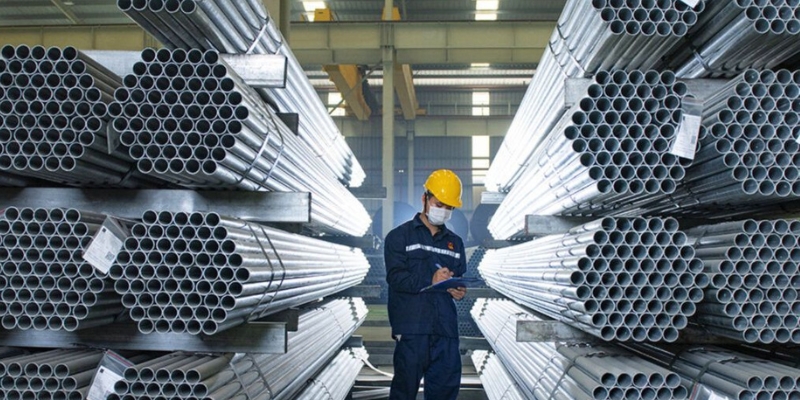
Industrial pipes and valves are often installed in high-pressure, high-temperature, and hazardous environments such as power plants, petrochemical refineries, and offshore platforms. A component failure can cause catastrophic consequences — injury, environmental damage, long downtime, and large financial losses. Ensuring high manufacturing and material quality minimizes the risk of leaks, ruptures, and operational failures.
2. Compliance with International Standards
Exported industrial components must meet customers’ technical specifications and international standards. Buyers commonly require compliance to recognized standards for metallurgy, dimensions, and testing. Clear compliance and correct certification (material test certificates, inspection reports) speed customs clearance and increase buyer confidence across global markets.
3. Performance & Longevity
Quality materials and precise manufacturing deliver predictable performance and longer service life. Accurate chemical composition, proper heat treatment, and correct dimensional tolerances reduce corrosion and wear — lowering lifecycle costs for the buyer. Choosing quality components reduces maintenance frequency and total cost of ownership.
4. Traceability & Documentation
Traceability (batch numbers, mill certificates, heat numbers) is crucial in international trade. Well-documented traceability allows end users to verify material origin and specifications, assists with warranty claims, and is often required by project auditors. Complete export documentation — packing lists, commercial invoices, certificates of origin and inspection reports — streamlines logistics and acceptance at the destination.
5. Testing & Third-Party Inspection
Robust testing regimes such as dimensional checks, pressure/hydrostatic tests, non-destructive testing (radiography, ultrasonic), and chemical analysis validate product integrity. Third-party inspections and independent test certificates add assurance and are frequently requested by international buyers and project owners.
6. Packaging, Handling & Export Readiness
Quality control does not end at manufacturing — proper packaging, corrosion protection, and secure handling are essential for international transit. Export-grade packing reduces the chance of damage during shipping and simplifies customs inspections and storage at the destination port.
7. Reputation & Business Continuity
Consistently supplying high-quality products builds reputation and long-term partnerships. For exporters, a strong quality record reduces disputes, lowers return rates, minimizes insurance issues, and helps secure repeat orders and major contracts.
8. Cost Considerations — Short Term vs Long Term
Lower upfront costs on substandard materials may seem attractive, but failures, rework, warranty claims, and reputational damage make them more expensive long term. Investing in quality ensures predictable performance and better ROI for both suppliers and buyers.
How SP Trade International Ensures Export-Grade Quality
At SP Trade International, we follow a strict quality process for every export order:
- Careful vendor selection — sourcing from reputable manufacturers with verified quality systems.
- Material verification — reviewing MTCs and chemical composition before dispatch.
- Dimensional and mechanical testing — ensuring products meet specified tolerances and ratings.
- Third-party inspection when required by clients or projects.
- Secure packing, rust prevention, and export-ready crating.
- Complete export documentation and continuous communication throughout the shipment.
Practical Buyer Checklist: What to Ask Your Exporter
Before placing an export order, buyers should confirm:
- Availability of material test certificates (MTC) / mill certificates.
- Mechanical and non-destructive tests performed.
- Third-party inspection options and sample reports.
- Traceability information (heat/batch numbers).
- Packing method and corrosion protection for sea/air shipment.
- Warranty, lead time, and after-sales support.
Conclusion
Quality is the most important factor in the export of industrial pipes and valves. It protects people and assets, ensures compliance, reduces lifecycle costs, and strengthens the reputation of suppliers and exporters. For industries that cannot compromise on safety or performance, partnering with an exporter that prioritizes strict quality standards is essential.
Need export-grade pipes, valves or fittings with full test documentation and global shipping support?
Contact SP Trade International today — we specialize in export compliance, secure packing, and fast global delivery across Asia, Africa, Europe, and the Middle East.
Call: +91 90239 89968 | Email: [email protected] | Contact Page